
Let it Flow!
Pardon the Frozen pun, I spend too much of my time around elementary aged children. Jokes set aside, I hope that my students will walk out my door at the end of the school year having experienced flow. Flow is a mental state in which an individual is so captivated by what they are doing or learning that little else matters to them. With the rise of high stakes standardized testing, schools are increasingly failing to help students achieve flow. When students are engaged in a lesson and are enjoying what they are learning, they shouldn't be forced to move onto the next subject because the day's math standards haven't been met. I will encourage students to follow through on subjects that interest them and not feel limited to simply learning the material covered in class. The fifth grade class I work with now have a year long project on a topic of their choice and often choose to spent their free time doing research for it.
Brain Breaks
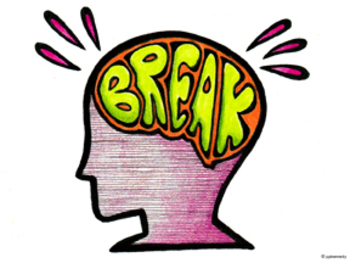
Children and adults are only capable of learning so much in one sitting. When the brain attempts to process too much information at once, it becomes overwhelmed and essentially shuts down. Recognizing warning signs of when students are starting to reach this point is one of the greatest skills a teacher can possess. Allowing students to have a break between activities or after they have been presented with a large amount of information can help fend off classroom management catastrophes. Breaks can be as simple as having students take ten deep breaths, dance to a song or walk a lap around the classroom. Brain breaks ultimately lead to a happier and more productive classroom.
Creating Personal Meaning
Having content that creates personal meaning for your students relates back to the idea of flow. A student can only reach flow if the information they are learning has personal meaning to them. Furthermore, topics that are related (not the same as) to what a student already knows is much more likely to be recalled than seemingly random facts. Information that contains personal meaning can be connected to what an individual already knows which also aids in retrieval.
Meeting Student Needs

Teachers often overlook how what goes on outside of the classroom impacts how students behave in the classroom. If a student comes from a household that is unable to provide food, the student will be less successful in school because their basic physiological needs are not being met. Educators need to be aware of which needs are and are not being met for their students and help fulfill needs that are lacking.
Reflection
I've talked a lot about what teachers can do to make their students better learners but haven't touched what teaches can do to make themselves better educators. Schools are full of great tools to help teachers further their skills. One of the best resources is other teachers and let's be honest all teachers love to talk about education. Utilize your peers. A great way to analyze problems in your classroom is to film a lesson and review it with another faculty member. A fresh set of eyes can do wonders to solve complex problems.

No comments:
Post a Comment